


What Innovations Are Driving Real Estate Tokenization Platforms Forward?
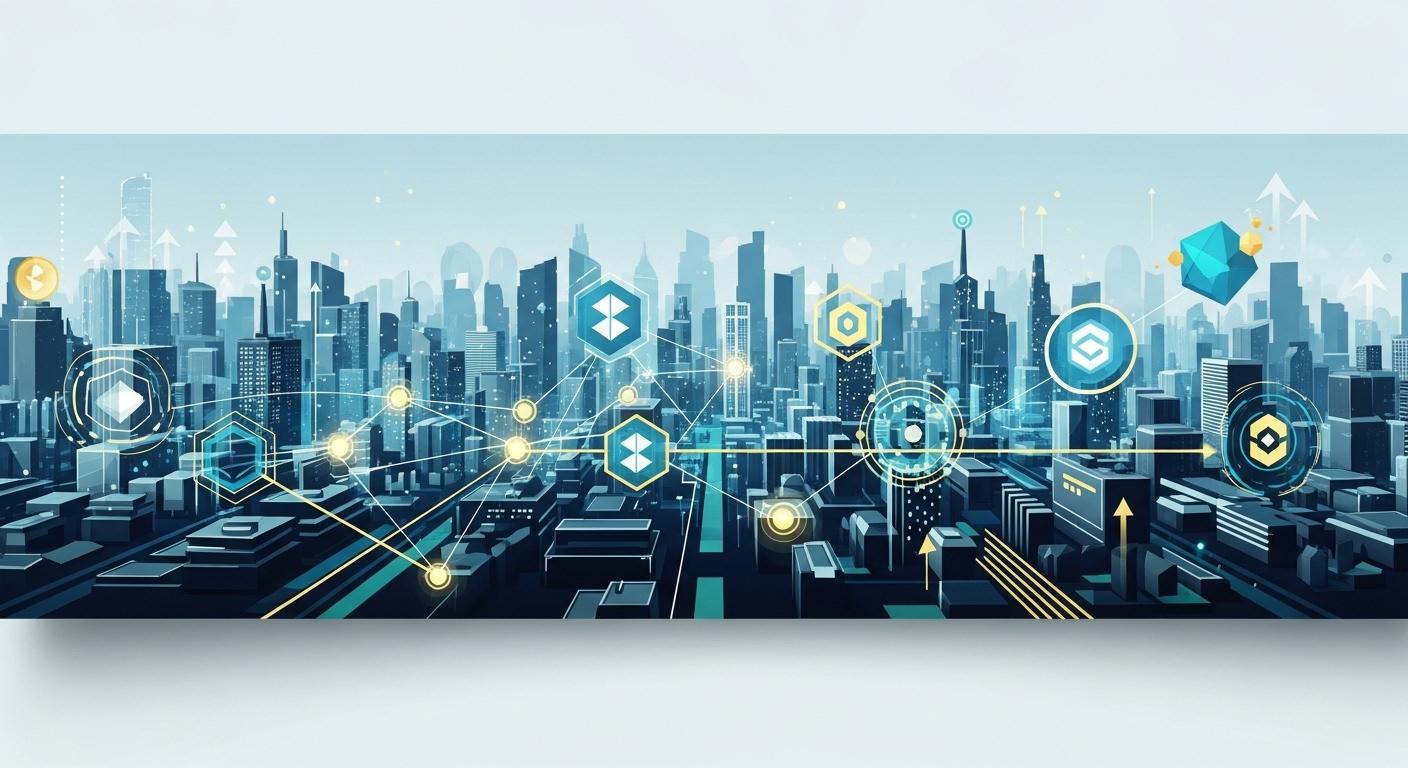
Real estate has always been one of the most stable asset classes, yet it has remained difficult to access for a large segment of investors. High capital requirements, lengthy transaction cycles, and limited liquidity have traditionally defined property investment. Over the past few years, Real Estate Tokenization has started to change this narrative by introducing digital ownership structures backed by blockchain technology.
As the concept matures, several innovations are shaping how these platforms function, how investors interact with them, and how assets are managed. These developments are not limited to technology alone. They include legal frameworks, financial engineering, interoperability, and user experience improvements. Together, they are pushing real estate asset tokenization into broader adoption across global markets.
This article examines the major innovations influencing Real Estate Tokenization Platform Development and how they are contributing to the evolution of digital real estate investment.
Fractional Ownership Models Becoming More Refined
One of the earliest and most impactful ideas behind Real Estate Tokenization is fractional ownership. Instead of requiring a single buyer to invest a large sum, properties are divided into smaller digital units, allowing multiple investors to participate.
Initially, these models were relatively simple. Today, they have become more structured. Platforms now offer tiered ownership, where investors can choose between income-focused tokens, appreciation-based tokens, or hybrid models. This adds flexibility to investment strategies.
A Real Estate Tokenization company today often integrates multiple asset classes within one platform, including residential, commercial, and mixed-use properties. These fractional structures are supported by legal agreements that clearly define rights, returns, and responsibilities.
This refinement has made participation easier for both retail and institutional investors, while also reducing entry barriers.
Smart Contract Evolution and Automation
Smart contracts are at the center of real estate tokenization development. Early implementations focused on basic functions such as ownership recording and transaction execution. Recent improvements have expanded their capabilities.
Modern smart contracts now handle rent distribution, dividend payouts, compliance checks, and voting mechanisms. This reduces the need for intermediaries and lowers administrative overhead.
In Real Estate Tokenization Development Services, automation has reached a level where recurring income from rental properties can be distributed to token holders without manual intervention. Similarly, governance mechanisms allow token holders to vote on decisions such as property upgrades or asset sales.
These improvements have increased efficiency and reduced errors, making platforms more reliable.
Integration with Decentralized Finance
Another major development influencing Real Estate Tokenization is its integration with decentralized finance systems. Tokenized real estate assets are no longer static investments. They can now interact with financial ecosystems in multiple ways.
Investors can use their tokens as collateral for loans, participate in liquidity pools, or trade them on secondary markets. This introduces a level of liquidity that traditional real estate has never offered.
A Real Estate Tokenization Development company often incorporates DeFi features such as staking and lending within their platforms. This allows investors to earn additional returns beyond rental income or property appreciation.
This integration expands the utility of tokenized assets and increases investor engagement.
Regulatory Frameworks and Compliance Innovations
One of the early challenges in real estate asset tokenization was regulatory uncertainty. Over time, governments and financial authorities have started to establish clearer guidelines.
Platforms now incorporate compliance tools that align with regional regulations, including KYC (Know Your Customer) and AML (Anti-Money Laundering) requirements. These systems are embedded directly into the platform architecture.
Real Estate Tokenization Services now include regulatory consulting, ensuring that token offerings meet legal standards in different jurisdictions. Some platforms also use permissioned blockchains to control access and maintain compliance.
This progress has increased trust among investors and encouraged institutional participation.
Cross-Border Investment Capabilities
Traditional real estate investment often involves geographic limitations. Investors typically focus on properties within their own country due to legal and logistical barriers.
Real Estate Tokenization Platform Development is addressing this issue by allowing cross-border participation. Investors from different regions can purchase tokens representing properties in global markets without dealing with complex ownership procedures.
Currency conversion, legal compliance, and taxation considerations are now integrated into platforms. This creates a more inclusive investment environment.
A Real Estate Tokenization company that supports cross-border transactions can attract a wider audience and offer diversified portfolios.
Improved Liquidity Through Secondary Markets
Liquidity has always been a concern in real estate. Selling a property can take months, sometimes years. Tokenization introduces the possibility of faster transactions through secondary markets.
Modern platforms are creating dedicated marketplaces where token holders can buy and sell their assets. These marketplaces operate continuously, offering more flexibility compared to traditional property sales.
Real estate tokenization development now includes features such as price discovery mechanisms, order matching systems, and real-time transaction tracking.
This improved liquidity makes real estate more appealing to investors who prefer shorter investment horizons.
Token Standards and Interoperability
As the industry grows, standardization has become increasingly important. Different platforms initially used varying token structures, leading to compatibility issues.
New token standards are addressing this problem. These standards define how tokens are created, transferred, and managed, ensuring consistency across platforms.
Interoperability allows tokens issued on one platform to interact with others. This expands the ecosystem and creates more opportunities for trading and collaboration.
Real Estate Tokenization Development Services now focus on building systems that support multiple blockchain networks, allowing assets to move across ecosystems without friction.
Data Transparency and Real-Time Reporting
Access to reliable data is critical for investment decisions. Tokenization platforms are improving how information is presented to users.
Investors can now view property performance metrics, rental income details, occupancy rates, and market trends in real time. This level of visibility was not easily accessible in traditional real estate.
A Real Estate Tokenization Development company often integrates analytics dashboards into their platforms. These dashboards provide insights that help investors evaluate their portfolios and make informed decisions.
This focus on data improves confidence and encourages long-term participation.
Tokenization of Diverse Asset Types
Earlier, tokenization was mostly associated with residential properties. Today, the scope has expanded significantly.
Platforms now include commercial spaces, industrial properties, vacation rentals, and even land parcels. Some Real Estate Tokenization Services also cover infrastructure projects and real estate funds.
This diversification allows investors to spread their risk across different asset categories. It also opens opportunities in markets that were previously difficult to access.
Real estate asset tokenization is no longer limited to a single segment. It has evolved into a broader investment approach.
User Experience and Platform Accessibility
User experience has become a major focus area in Real Estate Tokenization Platform Development. Early platforms often required technical knowledge, which limited adoption.
Modern platforms prioritize ease of use. Simple interfaces, mobile compatibility, and guided onboarding processes make it easier for new users to participate.
Payment options have also expanded. Investors can use traditional payment methods alongside cryptocurrencies, making platforms more accessible.
A Real Estate Tokenization company that focuses on user experience can attract a wider audience and improve retention rates.
Integration of Artificial Intelligence and Analytics
Artificial intelligence is beginning to play a role in real estate tokenization development. AI-driven tools analyze market data, predict property performance, and assist in asset valuation.
These tools help investors identify opportunities and manage risks more effectively. For example, predictive models can estimate rental yields or property appreciation based on historical data and market conditions.
Real Estate Tokenization Development Services are increasingly incorporating AI features to enhance decision-making and improve platform functionality.
This combination of blockchain and AI adds depth to the investment process.
Asset Management and Governance Innovations
Managing tokenized properties requires new approaches. Platforms are introducing governance models that involve token holders in decision-making.
Voting systems allow investors to participate in decisions such as property maintenance, tenant selection, and asset liquidation. This creates a sense of shared ownership.
Asset management tools also provide updates on property performance and operational activities. These tools improve communication between platform operators and investors.
Real Estate Tokenization Platform Development now includes governance frameworks that balance efficiency with investor participation.
Security Enhancements and Risk Mitigation
Security remains a critical concern in digital platforms. Real estate tokenization development has introduced several measures to address this.
Multi-signature wallets, encryption protocols, and regular audits are now standard practices. Platforms also implement insurance mechanisms to protect against potential risks.
A Real Estate Tokenization Development company focuses on creating secure environments that safeguard both assets and user data.
These measures increase trust and support long-term adoption.
Environmental and Sustainability Considerations
Sustainability is becoming an important factor in real estate investment. Tokenization platforms are beginning to include environmental metrics as part of their offerings.
Investors can access information about energy efficiency, carbon footprint, and sustainability certifications of properties. Some platforms even focus exclusively on eco-friendly real estate projects.
Real Estate Tokenization Services that incorporate sustainability data appeal to socially conscious investors and align with global environmental goals.
Institutional Adoption and Market Expansion
Institutional interest in Real Estate Tokenization has grown steadily. Large investment firms and real estate developers are beginning to recognize its potential.
This has led to the creation of larger and more sophisticated platforms. Institutional participation also brings credibility and increases market stability.
Real Estate Tokenization Development company solutions now cater to enterprise-level clients, offering features such as portfolio management, compliance integration, and reporting tools.
This shift indicates that tokenization is moving beyond early adoption into a more established phase.
Conclusion
Real Estate Tokenization is progressing through a combination of technological advancements, financial innovation, and regulatory clarity. From refined fractional ownership models to improved liquidity and cross-border investment capabilities, these developments are reshaping how property assets are accessed and managed.
Real estate tokenization development continues to expand in scope, incorporating features that address both investor needs and market challenges. Real Estate Tokenization Platform Development is no longer limited to basic digital ownership. It now includes complex financial interactions, governance systems, and data-driven insights.
As these innovations continue to evolve, real estate asset tokenization is likely to gain broader acceptance across different segments of the investment community. The ongoing efforts of every Real Estate Tokenization company and Real Estate Tokenization Development Services provider are contributing to a more accessible and efficient real estate market.

 English
 Arabic
 French
 Spanish
 Portuguese
 Deutsch
 Turkish
 Italiano
 Russian
 Romaian
 Portuguese (Brazil)
 Greek
Greek
