


Exploring Materials, Technology and Design in Chocolate Conche Equipment
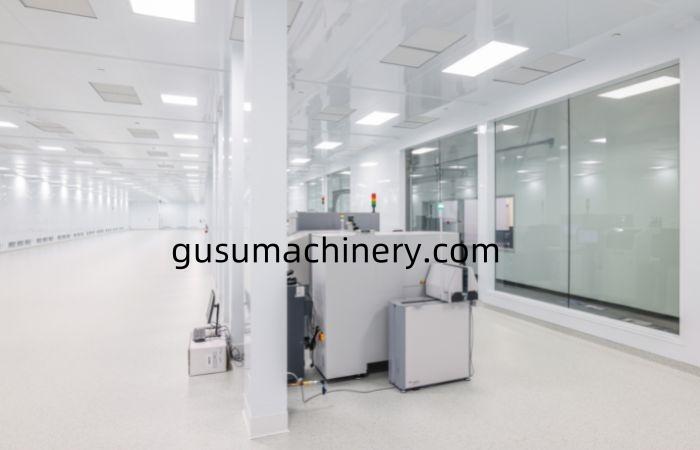
When chocolate manufacturers evaluate a Chocolate Conche Manufacturer , they often need to consider much more than the basic refining function of the machine. The equipment becomes part of a wider production environment where food-contact materials, mechanical construction, process coordination, operator experience, cleaning, and visual design all interact. Gusu Food Processing Machinery Suzhou Co., Ltd. develops chocolate processing equipment and provides conching solutions designed for different chocolate-processing applications.
Material selection is one of the first areas buyers can examine. Food-processing equipment needs materials that are appropriate for repeated contact with ingredients and compatible with routine cleaning. Stainless steel is commonly used for food-contact structures because its smooth surface can support hygienic handling and simplify cleaning. Other materials may be selected for internal mechanical components according to their specific function. Looking at the complete material system can therefore provide a better understanding of equipment construction than focusing only on the exterior.
The internal arrangement is equally important. A conche needs to support continuous interaction between the chocolate mass and its working components, while allowing operators and maintenance personnel to access relevant areas. The design of the vessel, grinding elements, mixing components, heating-related sections, and discharge areas can influence how naturally the machine fits into the production workflow. A well-organized internal structure can also help reduce unnecessary residue accumulation.
The purchasing process should begin with the manufacturer's actual production requirements. Different chocolate products may require different combinations of refining, mixing, melting, tempering, molding, or coating equipment. Gusu's product range includes conching and grinding equipment as well as other chocolate-processing machinery, allowing buyers to consider the conche as part of a connected production system rather than an isolated machine.
A manufacturer's ability to understand the complete process can also matter when selecting equipment. Buyers may need to discuss ingredient characteristics, production sequences, cleaning procedures, material transfer, operator access, and connections with surrounding machinery. This kind of communication can help identify whether a standard machine configuration is appropriate or whether a customized arrangement would better suit the production environment.
Technology is another important consideration. Modern conching equipment can combine grinding, mixing, refining, heating-related functions, and automated control within one processing system. Gusu's conche information describes systems incorporating improved transmission, automatic operating components, and PLC-based control options on applicable equipment. These technologies can reduce repetitive manual intervention and give operators a more organized way to manage the refining process.
Control design directly affects the daily operating experience. Operators need to understand what the machine is doing, identify relevant controls, and monitor the processing stage without unnecessary complexity. A logically arranged interface can make training easier and help operators respond more naturally during production. Clear separation between operating controls and maintenance areas can also improve workplace organization.
Cleaning is another factor that should be discussed before purchasing. Chocolate residue can remain around working surfaces and connections, so equipment should allow relevant areas to be inspected and cleaned without unnecessarily complicated procedures. Smooth surfaces and accessible components can make routine sanitation more manageable. Buyers can also ask manufacturers about cleaning methods, maintenance access, and the recommended workflow for preparing the machine between production activities.
Maintenance experience extends beyond cleaning. Mechanical components, transmission areas, grinding elements, seals, and control systems may require different forms of inspection. A machine designed with recognizable components and accessible service areas can make maintenance work easier to organize. Gusu presents its business as covering research and development, manufacturing, sales, and after-sales service, including support related to equipment installation, commissioning, operation, and maintenance.
The operator's physical experience should also influence equipment selection. Production staff may interact with the machine during loading, monitoring, cleaning, inspection, and product transfer. Accessible working areas and clear structural relationships can reduce unnecessary movement around the equipment. A machine that is easy to understand visually can also help new operators become familiar with its working logic.
Design and appearance have a practical role in food-processing environments. A clean stainless-steel exterior can create an orderly appearance while supporting routine surface cleaning. Organized piping, protected mechanical sections, accessible control panels, and clearly separated working areas can make the machine easier to understand. In this sense, industrial appearance is closely connected with usability rather than being purely decorative.
The physical layout of the machine should also be considered in relation to the surrounding production line. Operators need sufficient access for routine work, while material transfer and connections between processing stages should remain logically arranged. A visually compact machine may not necessarily be convenient if important maintenance areas are difficult to reach. Buyers can therefore evaluate appearance together with accessibility and workflow rather than treating them as separate issues.
Customization can become particularly relevant when a chocolate producer has a specific production concept. Different formulations, process sequences, factory layouts, automation preferences, and equipment combinations may lead to different machinery requirements. Gusu states that it develops chocolate equipment solutions according to customer needs and supports customized equipment configurations, making early technical communication an important part of equipment selection.
For manufacturers assessing chocolate conching equipment, material compatibility, internal structure, refining technology, control systems, cleaning access, maintenance arrangements, operator experience, and machine appearance can be evaluated together. Looking at these factors in relation to the complete production workflow can make discussions with equipment manufacturers more focused and practical. More information about Gusu Food Processing Machinery Suzhou Co., Ltd., its chocolate conching equipment, and related processing solutions is available at https://www.gusumachinery.com/

 English
 Arabic
 Spanish
 Portuguese
 Deutsch
 Turkish
 Dutch
 Italiano
 Russian
 Romaian
 Portuguese (Brazil)
 Greek
