


Nante Industrial Plug Systems For Robust Power
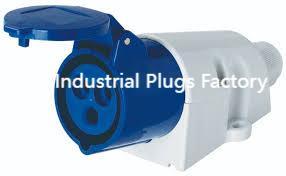
Selecting rugged, application-appropriate connectors is critical for demanding electrical installations. In heavy-industry environments, many designers specify a Industrial Plug in the electrical distribution scheme to ensure secure, high-current connections that withstand vibration and contamination. Good selection balances current rating, pin configuration, sealing, and mechanical retention; using a Industrial Plug correctly shortens downtime and reduces safety incidents. Below we cover selection criteria, installation best practices, testing, and maintenance strategies to help engineers and technicians choose and manage these connectors effectively.
Know Your Ratings: Current, Voltage, and Poles
The starting point is electrical ratings. Match the connector’s continuous current and voltage ratings to the load, including any short-term inrush currents from motors or capacitive banks. Choose the correct number of poles (including earth/ground) to support single-phase or three-phase systems, and verify compatibility with mating devices. Also check temperature ratings for internal contacts and insulation materials — sustained elevated temperatures shorten connector life and increase contact resistance.
Environmental Protection and Mechanical Durability
Outdoor or washdown installations demand ingress protection and chemical resistance. Look for enclosures and contact housings tested to appropriate IP or NEMA standards, with gasketing materials that resist oils, solvents, and UV exposure. Mechanical retention — locking collars, screw couplers, or bayonet systems — prevents accidental disconnection under load and during vibration. Materials such as nickel-plated copper contacts and glass-filled polycarbonate housings can offer a strong mix of conductivity and toughness.
Standards, Compliance, and Interchangeability
Adhering to established standards ensures interoperability and safety. Familiarize yourself with regional and international norms that apply to heavy-duty connectors, and verify third-party test reports when available. Where interchangeability matters — for rental equipment or multi-vendor sites — specify connectors that follow common standards to avoid mismatches that slow repairs or cause unsafe ad-hoc adaptors.
Nante Connector Range: Applications and Advantages
One supplier’s product line can simplify sourcing and spares management. Nante’s connector offerings include modular designs suited to industrial, marine, and temporary power applications, emphasizing easy servicing and robust sealing. Choosing a single, well-documented series for projects can reduce inventory complexity and ensure technicians can perform safe replacements with familiar tooling and parts.
Installation, Locking, and Earthing Best Practices
Correct installation prevents many field failures. Ensure conductors are properly prepared for crimped or soldered terminations, and use the specified torque for screw-type connections; under- or over-tightening increases resistance and heats. Verify that locking mechanisms fully engage and that earthing conductors are secure and continuous back to the system ground. For portable or temporary installations, use strain relief and cable retention to prevent lever forces from stressing contacts.
Testing, Inspection, and Predictive Maintenance
Initial commissioning tests should include continuity, insulation resistance, and torque verification. Periodic inspections are essential: check for discoloration at contacts (a sign of overheating), verify mechanical locks, and confirm sealing surfaces remain intact after exposure cycles. Integrate connector checks into a preventive maintenance schedule, and consider simple on-site tests such as contact resistance measurements to identify emerging problems before they cause failures.
Practical Considerations for Field Use
Keep a small spare-parts kit with commonly replaced items such as gaskets, contact inserts, and retention collars. Train technicians on safe disconnection procedures under load where permitted, and on the hazards of using improvised adapters. For temporary power setups at events or construction sites, prioritize color-coding, clear labeling, and straightforward locking features to reduce human error.
Lifecycle Planning and Total Cost of Ownership
The cheapest connector up front can cost more over a system lifetime if it requires frequent replacements or causes unplanned downtime. Factor in installation labor, expected replacement intervals, and the cost of potential outages when comparing part options. Durable materials, verified ratings, and ease of servicing often yield lower total ownership costs.
Choosing the right heavy-duty connector requires technical attention to electrical ratings, environmental sealing, mechanical retention, and maintenance practices. By applying standards-based selection, following proper installation methods, and scheduling inspections, engineers can achieve reliable, safe connections that keep equipment running and people protected. For more detailed guidance and a technical overview, visit https://www.nante.com/news/industry-news/what-is-industrial-plug.html

 English
 Arabic
 French
 Spanish
 Portuguese
 Deutsch
 Turkish
 Dutch
Dutch
 Italiano
 Russian
 Romaian
 Greek
Greek
