


India ERP Software: Revolutionizing Business Management
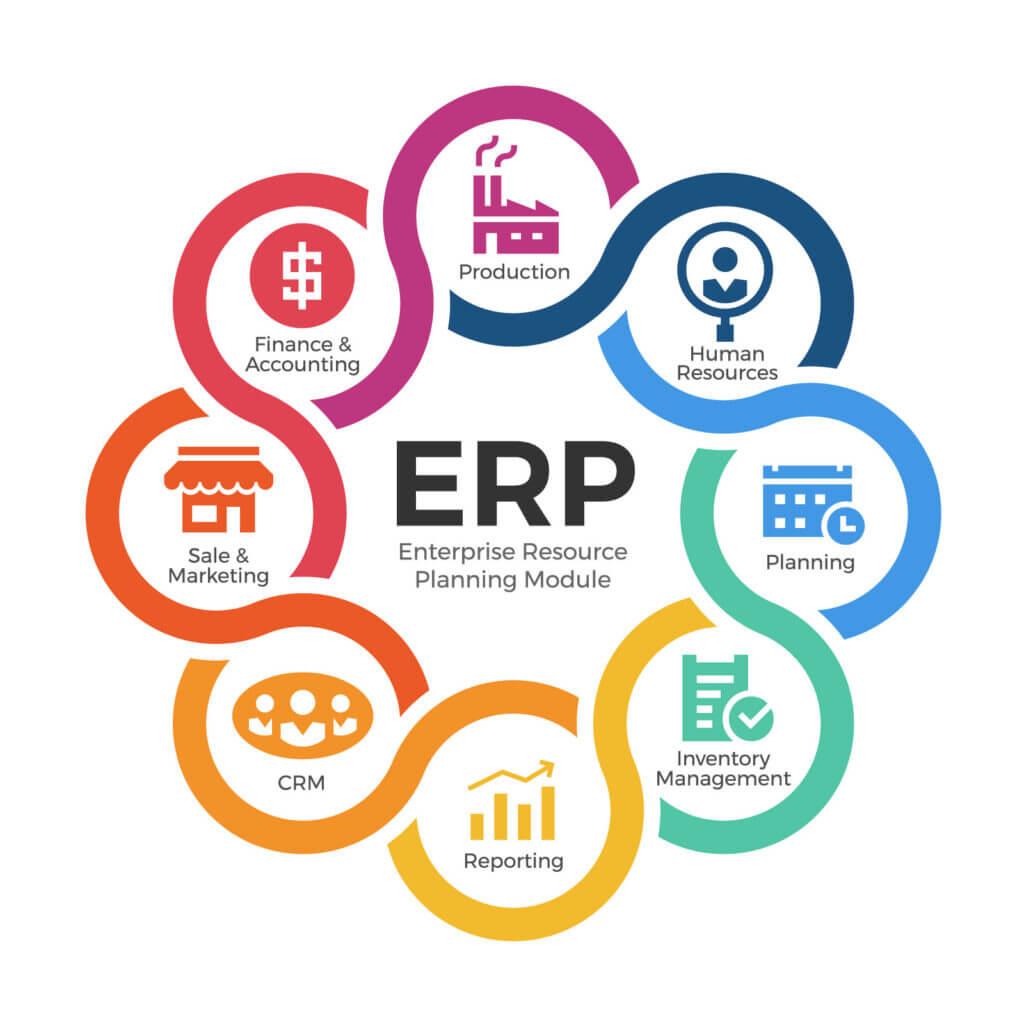
Enterprise Resource Planning (ERP) software has become a cornerstone of modern business management, and in India, its adoption is rapidly reshaping organizational efficiency and decision-making. ERP systems provide integrated platforms that unify various business processes, from finance and human resources to supply chain and customer management. As Indian businesses increasingly pursue digital transformation, ERP solutions are enabling them to streamline operations, enhance productivity, and maintain competitiveness in a dynamic market landscape. Organizations of all sizes, from startups to large enterprises, are recognizing the strategic advantage of implementing ERP systems that consolidate data and processes into a single, coherent framework.
At the core, ERP software in India is designed to integrate essential business functions into a unified system, providing real-time visibility and control over operations. Key components typically include financial management, human resource management, supply chain management, procurement, inventory control, customer relationship management, and reporting tools. These modules work together to eliminate data silos, reduce redundancy, and improve workflow efficiency. Advanced ERP systems also offer cloud-based deployment, mobility features, and AI-driven analytics, ensuring businesses can access accurate information anytime and anywhere, facilitating better planning and decision-making.
ERP solutions find extensive applications across various industries in India. In manufacturing, they optimize production planning, resource allocation, and inventory control, reducing waste and enhancing operational efficiency. In retail and e-commerce, ERP systems streamline order processing, supply chain logistics, and customer relationship management, ensuring timely deliveries and enhanced customer satisfaction. The healthcare sector benefits from ERP software through improved patient management, streamlined billing, and regulatory compliance, while educational institutions use ERP platforms for student information management, staff administration, and financial tracking. Essentially, any industry with complex processes or large-scale operations can leverage ERP software to enhance overall productivity.
Several factors are driving the growth and adoption of ERP software in India. The increasing need for digital transformation, heightened competition, and the demand for operational efficiency are encouraging organizations to adopt integrated solutions. The rise of cloud computing and mobile access has made ERP systems more scalable, flexible, and cost-effective, enabling even small and medium-sized enterprises to implement advanced platforms without heavy upfront investment. Moreover, as Indian businesses expand domestically and internationally, ERP software facilitates seamless coordination and compliance, providing a foundation for sustainable growth and strategic planning.
Despite its advantages, ERP implementation comes with certain challenges and limitations. High initial costs, complexity in deployment, and resistance to change within organizations can hinder adoption. Integration with existing systems and ensuring data accuracy often require careful planning and ongoing support. Additionally, businesses must consider cybersecurity and data privacy concerns, especially when deploying cloud-based ERP solutions. Success depends on selecting the right system, tailoring it to organizational needs, and providing adequate training to employees, ensuring smooth adoption and maximum return on investment.
ERP software in India is also evolving with emerging trends and technological innovations. Artificial intelligence and machine learning are enhancing predictive analytics, enabling businesses to forecast demand, optimize inventory, and improve decision-making. Internet of Things (IoT) integration allows real-time monitoring of assets and processes, particularly in manufacturing and logistics. Mobile ERP applications are becoming increasingly popular, providing executives and employees with access to critical business data on the go. Additionally, low-code and no-code platforms are simplifying customization, enabling businesses to adapt ERP systems to unique requirements with minimal technical expertise.
Regional and industry-specific adoption patterns are notable within India. Metropolitan cities and industrial hubs tend to lead in ERP implementation due to greater digital infrastructure and availability of skilled IT professionals. Industries such as manufacturing, pharmaceuticals, retail, and IT services exhibit higher adoption rates, driven by the complexity and scale of their operations. In contrast, smaller enterprises in tier-2 and tier-3 cities are gradually adopting ERP solutions through cloud-based or subscription models, making technology more accessible and affordable. This regional diversification is fostering broader digital transformation across the country, bridging the gap between large corporations and smaller businesses.
Looking ahead, the future of ERP software in India appears promising. As businesses continue to embrace digitalization, ERP platforms are expected to become more intelligent, flexible, and user-centric. The integration of advanced technologies such as artificial intelligence, IoT, and predictive analytics will drive smarter automation and deeper insights into business performance. ERP solutions will not only manage processes but also act as strategic enablers, supporting growth, innovation, and competitive advantage. Organizations that effectively leverage ERP software will be better positioned to navigate market complexities, enhance operational efficiency, and achieve long-term success in India’s evolving business landscape.
India’s ERP software ecosystem is transforming the way businesses operate, offering integrated solutions that streamline processes, improve decision-making, and enhance productivity. While challenges in implementation exist, the adoption of advanced, technology-driven ERP platforms continues to grow across industries. With emerging innovations and broader accessibility, ERP software is set to play a pivotal role in shaping the future of business management in India.
Top Trending Reports -
UK Intelligent Road System Market Trends

 English
 Arabic
 Spanish
 Portuguese
 Deutsch
 Turkish
 Dutch
Dutch
 Italiano
 Russian
 Romaian
 Portuguese (Brazil)
 Greek
Greek
