


Why Properly Connecting Butane Gas Cartridges Matters for Bluefire Stoves
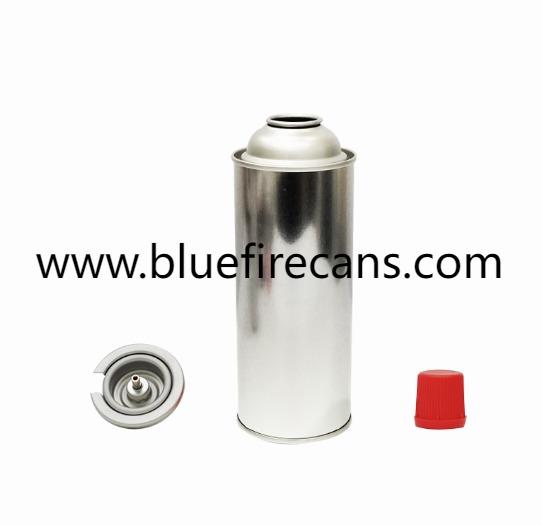
Cooking meals outdoors brings a lot of satisfaction, especially after a long day of hiking or setting up camp. A portable stove fueled by gas makes that possible with minimal effort. A Butane Gas Cartridge powers many of these stoves reliably when connected properly. Taking time to attach it safely avoids common problems like leaks, unsteady flames, or damage to equipment. The process stays simple with a few consistent steps.
Start by inspecting both the cartridge and the stove before anything else. Look over the cartridge for dents, deep scratches, or signs of rust around the valve area. Check that the stove's connection point looks clean and free of dirt or old residue. A quick wipe with a dry cloth clears away any debris that could interfere with a tight seal. If either part shows noticeable wear, set it aside and use a different one to stay on the safe side.
Make sure the stove sits on a stable, level surface away from anything flammable. Keep the area clear of dry grass, leaves, or overhanging branches. Work in an open spot with good airflow so any small gas release dissipates quickly. Never attempt the connection inside a tent or enclosed space. Position yourself so you can see and reach everything comfortably without straining.
Turn the stove's control knob to the off position if it has one. This prevents accidental ignition during attachment. Hold the Butane Gas Cartridge upright with the valve end facing up. Align the stove's connector with the cartridge valve. Most stoves use either a screw-on thread or a push-and-twist bayonet style. For threaded types, place the stove onto the cartridge and rotate clockwise gently by hand. Start with slow turns to feel the threads engage properly. Avoid forcing it—if resistance feels wrong, stop and realign.
With bayonet connections, line up any guide marks or slots on the stove and cartridge. Push down firmly while giving a quarter or half turn until you hear or feel a click. That sound or sensation confirms the lock engaged. Give the stove a gentle tug to test the hold without yanking hard. It should stay firmly attached without wobbling or coming loose.
Once connected, perform a quick leak check before lighting. Apply a small amount of soapy water to the connection point using a brush or your finger. Turn the stove knob slightly to release a tiny amount of gas—never light it yet. Watch for bubbles forming at the joint. If bubbles appear, turn everything off immediately, disconnect, and inspect for dirt, damage, or misalignment. Clean and retry the connection. No bubbles mean the seal holds tight.
When ready to use, open the stove valve slowly while holding a lit match or lighter near the burner. Start with a low setting to confirm ignition. Adjust the flame gradually to your desired level. Keep the flame visible and away from your face or hands during lighting. If the stove has a piezo igniter, press it after opening the valve slightly.
During cooking, place the stove on a wind-protected spot if possible. Wind can push flames sideways or blow them out unexpectedly. A small windscreen helps maintain steady heat and saves fuel. Never leave the stove unattended while lit. Keep flammable items like paper towels, fuel spares, or clothing at a safe distance.
After finishing the meal, turn off the stove knob completely. Let the burner cool before disconnecting. To remove the cartridge, reverse the attachment steps. For threaded connections, turn counterclockwise carefully by hand. For bayonet types, push down and twist in the unlock direction until it releases. Store the used cartridge upright in a cool, ventilated place away from heat sources until you can dispose of it properly.
Regular practice with the connection process builds confidence. Try it a few times at home or in daylight before relying on it in the field. Familiarity reduces hesitation when conditions turn cold, dark, or windy. A secure connection supports consistent cooking and peace of mind throughout the trip.
In summary, safely connecting a Butane Gas Cartridge to a camping stove involves careful inspection, proper alignment, gentle tightening, leak checking, and mindful handling. These steps prevent leaks, ensure steady flames, and protect your gear. Taking them seriously keeps outdoor cooking enjoyable and worry-free. For some cartridge options to consider, visit https://www.bluefirecans.com/product/ to see available products.

 English
 Arabic
 French
 Spanish
 Portuguese
 Deutsch
 Turkish
 Dutch
Dutch
 Italiano
 Russian
 Romaian
 Portuguese (Brazil)
