


From Fiber to Finish: The Production of Wicking Moisture Cotton Fabric
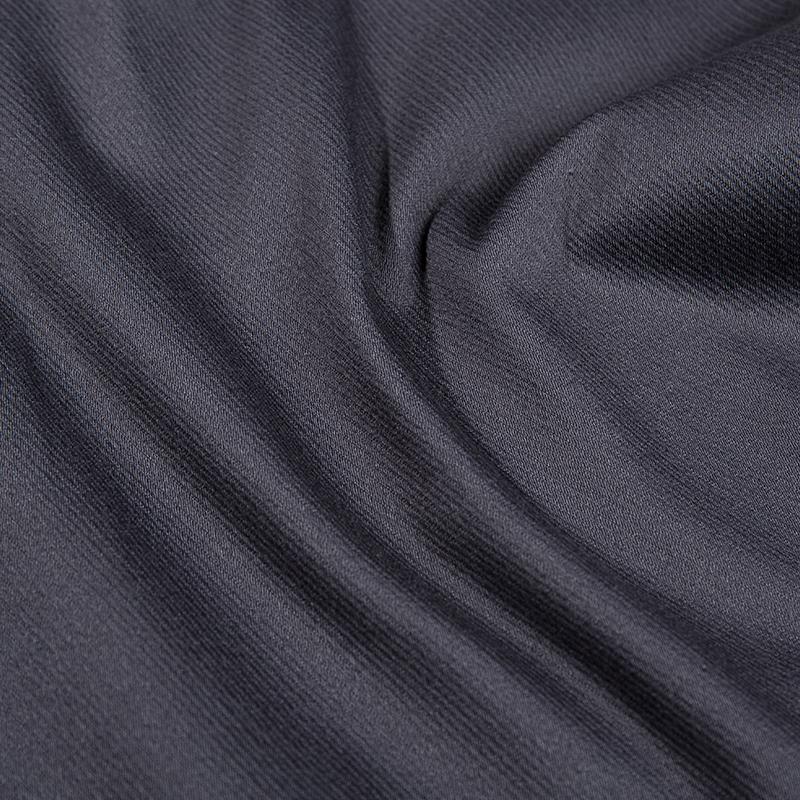
The performance of Wicking Moisture Cotton Fabric is the result of deliberate engineering at the fiber, yarn, or fabric stage. The fundamental challenge is to overcome cotton's natural tendency to swell and hold water within its hollow fiber structure. To create a wicking effect, the capillary pathways between and along the fibers must be optimized to transport liquid moisture. This is often accomplished through a permanent chemical finish applied via padding or exhaustion during dyeing. These finishing agents, such as polyethylene glycol-based compounds, are thermally cured onto the cotton, creating a durable hydrophilic surface that attracts and spreads moisture.
An alternative or complementary approach lies in fabric construction. Advanced knitting or weaving can create a gradient structure where the inner layer (next to skin) has a tighter composition to pick up moisture, while the outer layer is more open to promote evaporation. Some fabrics use a bi-component yarn with a synthetic core for wicking and a cotton sheath for comfort. The quality and durability of the wicking effect are tested through standardized methods measuring moisture transfer rate and drying time.
The development process ensures the treatment does not negatively impact cotton's desirable qualities, such as its hand feel, breathability, or dyeability. The technical innovation behind Wicking Moisture Cotton Fabric allows it to meet the demands of performance apparel without sacrificing the natural appeal of cotton. This makes it a compelling material choice for brands aiming to offer comfort-oriented products with added functional benefits for active consumers.

 English
 Arabic
 Spanish
 Portuguese
 Deutsch
 Turkish
 Dutch
Dutch
 Italiano
 Russian
 Romaian
 Portuguese (Brazil)
 Greek
Greek
