


How Solar Energy Reduces Your Carbon Footprint
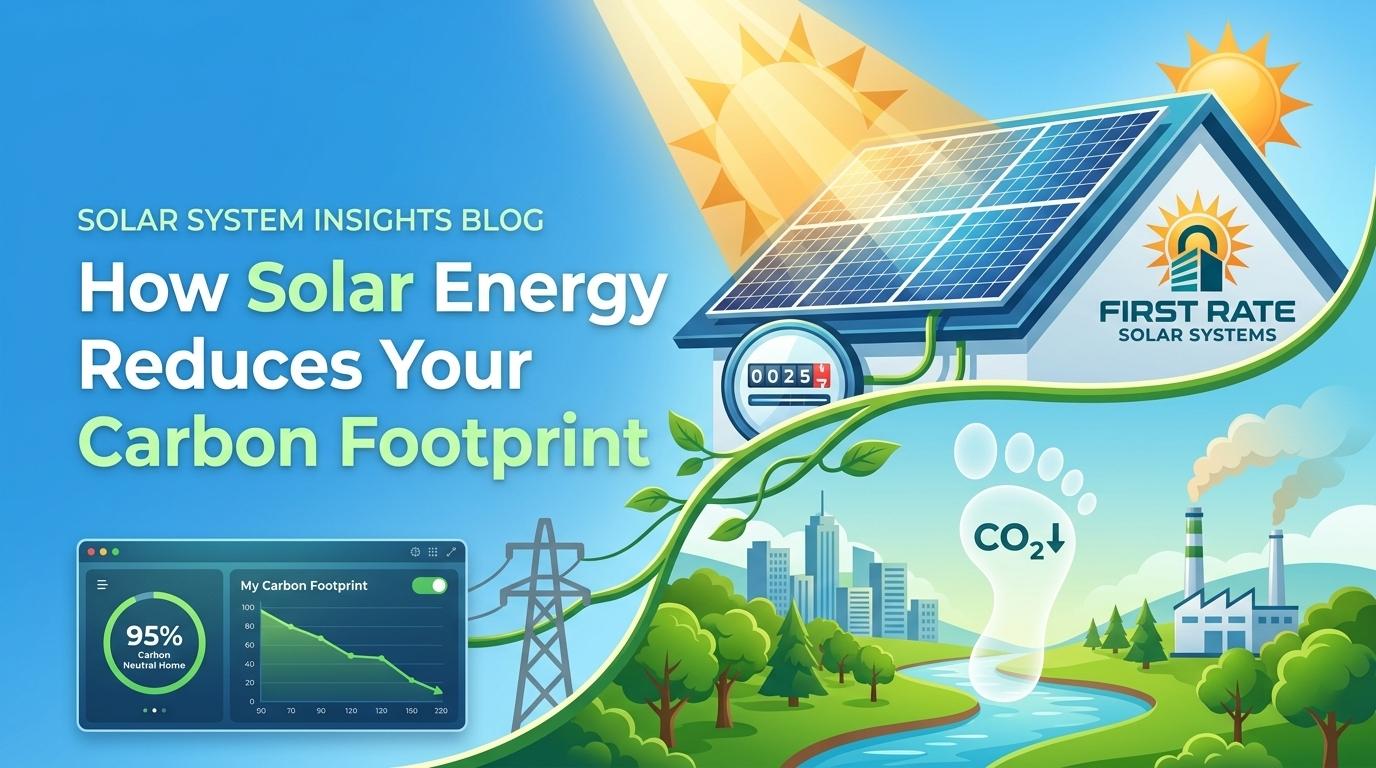
Climate change and environmental concerns have encouraged homeowners to explore cleaner ways of powering their homes. Traditional electricity generation often depends on fossil fuels, which release greenhouse gases into the atmosphere. These emissions contribute to global warming, air pollution, and environmental degradation.
Choosing solar energy is one of the most effective ways to reduce household carbon emissions while creating a cleaner and more sustainable future. By generating electricity from sunlight instead of fossil fuels, homeowners can significantly decrease their environmental impact while enjoying long-term financial benefits.
Understanding Your Carbon Footprint
A carbon footprint refers to the total amount of greenhouse gases released into the atmosphere as a result of everyday activities. Electricity consumption is one of the largest contributors because many power plants still rely on coal, natural gas, and other fossil fuels.
Every time electricity is used from conventional sources, carbon dioxide and other pollutants are released. Reducing dependence on these energy sources helps lower emissions and supports cleaner air for communities.
Replacing Fossil Fuel Electricity with Clean Power
Traditional electricity generation requires burning fuels that produce carbon emissions throughout the production process. These emissions accumulate over time and contribute to climate change.
Installing solar panels allows homeowners to generate electricity directly from sunlight without producing harmful emissions during operation. This clean method of energy generation reduces the demand for electricity produced by fossil fuel power plants and lowers the overall environmental impact of household energy consumption.
Reducing Greenhouse Gas Emissions Every Day
One of the greatest environmental benefits of switching to solar is the continuous reduction in greenhouse gas emissions. Unlike conventional energy sources, solar technology produces electricity without releasing carbon dioxide while operating.
Every kilowatt-hour of clean electricity generated replaces electricity that might otherwise come from fossil-fuel-powered plants. Over months and years, these reductions add up to a meaningful decrease in household carbon emissions.
Lowering Air Pollution in Local Communities
Power plants that burn fossil fuels release pollutants beyond carbon dioxide, including sulfur dioxide, nitrogen oxides, and fine particulate matter. These pollutants contribute to poor air quality and can negatively affect public health.
Using renewable electricity helps reduce the demand for these power plants, resulting in cleaner air and healthier communities. While one household may seem like a small contribution, thousands of homes making the same decision can create a significant positive impact.
Conserving Natural Resources
Coal, oil, and natural gas are finite resources that require extensive extraction, transportation, and processing before they can generate electricity. These activities consume large amounts of energy and often disturb natural ecosystems.
Solar technology relies on sunlight, an abundant renewable resource that requires no fuel extraction or transportation. By reducing dependence on limited natural resources, homeowners contribute to long-term environmental sustainability.
Supporting Cleaner Energy Infrastructure
As more homeowners adopt renewable technologies, the demand for cleaner energy infrastructure continues to grow. Increased adoption encourages investment in renewable energy development and reduces reliance on aging fossil-fuel power plants.
This gradual transition supports a more resilient and environmentally responsible energy system capable of meeting future electricity needs while reducing emissions.
Reducing Transmission Energy Losses
Electricity generated at large power plants travels long distances before reaching homes. During transmission, a portion of the electricity is lost due to resistance in power lines.
Generating electricity directly at home minimizes these transmission losses because energy is produced close to where it is consumed. This makes the overall energy system more efficient while reducing unnecessary waste.
Encouraging Sustainable Living Habits
Installing renewable energy systems often inspires homeowners to adopt additional environmentally friendly habits. Many begin paying closer attention to their electricity usage, replacing older appliances with energy-efficient models and reducing unnecessary energy consumption.
These behavioral changes amplify the environmental benefits and contribute to an even smaller carbon footprint over time.
Protecting Future Generations
Reducing emissions today helps preserve natural resources and environmental quality for future generations. Every effort to lower household carbon emissions contributes to cleaner air, healthier ecosystems, and a more stable climate.
Choosing cleaner energy sources is not only an investment in today's energy needs but also a commitment to creating a healthier planet for children and future communities.
Increasing Environmental Awareness
Adopting renewable energy often encourages conversations within neighborhoods and communities about sustainability. As more homeowners see the benefits of clean energy, awareness grows and inspires others to consider environmentally responsible solutions.
This collective action can accelerate the transition toward cleaner energy systems on a much larger scale than individual efforts alone.
Supporting National Climate Goals
Many countries have established long-term plans to reduce greenhouse gas emissions and increase renewable electricity generation. Homeowners who choose clean energy contribute directly to these national efforts by decreasing overall demand for fossil-fuel-generated electricity.
Every home that transitions to renewable energy becomes part of a broader movement toward environmental responsibility and climate resilience.
Improving Long-Term Sustainability
Sustainability means meeting today's energy needs without compromising the ability of future generations to meet theirs. Renewable electricity supports this goal by providing a dependable energy source that naturally replenishes every day.
Unlike fossil fuels, sunlight remains available without depletion, making it one of the most sustainable energy resources available for residential use.
Conclusion
Reducing your carbon footprint starts with making smarter energy choices. Clean electricity generated from renewable sources helps decrease greenhouse gas emissions, reduce air pollution, conserve natural resources, and support a healthier environment. These environmental benefits continue throughout the life of a solar system, making it one of the most impactful home improvements available.
At First Rate Solar Systems, we connect homeowners with trusted local solar professionals through our referral service. Our network helps you find experienced experts who can recommend the right renewable energy solution for your home while supporting your long-term sustainability goals.
Ready to make a positive impact on the environment?
Connect with First Rate Solar Systems today and get matched with trusted solar professionals who can help you begin your journey toward cleaner, more sustainable home energy.
Frequently Asked Questions
1. How does solar power reduce carbon emissions?
It replaces electricity generated from fossil fuels with clean renewable electricity.
2. Does solar energy help improve air quality?
Yes. It reduces reliance on power plants that produce air pollutants.
3. Can switching to solar make a noticeable environmental difference?
Yes. Over its lifetime, a residential system can prevent many tons of carbon emissions.
4. Is renewable energy a sustainable long-term solution?
Yes. Sunlight is naturally renewable and available every day.
5. Does installing solar increase environmental awareness?
Many homeowners become more conscious of their energy usage and adopt additional sustainable practices after switching to renewable energy.

 English
 Arabic
 Spanish
 Portuguese
 Deutsch
 Turkish
 Dutch
Dutch
 Italiano
 Russian
 Romaian
 Portuguese (Brazil)
 Greek
Greek
