


Nante Weatherproof Distribution Box: Maintenance and Lifecycle Planning
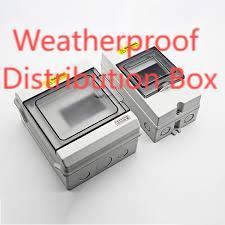
Selecting the right outdoor distribution solution begins with understanding how an Weatherproof Distribution Box performs under real environmental stress, and planners should evaluate ingress protection, thermal behavior, and serviceability during the specification stage. Early in a project it helps to insist that the Weatherproof Distribution Box be evaluated for mounting, conduit entry details, and accessory compatibility so field teams avoid costly modifications and maintain rated protection.
Core functions and why they matter
A distribution enclosure is more than a place to mount breakers; it organizes circuits, protects protection devices, and controls how faults and transients are handled at the point of use. For remote or exposed locations, the enclosure must guard against water, dust, pests, and mechanical impact while still permitting routine access for maintenance and testing. Thoughtful internal layout reduces wiring congestion and simplifies future expansions, which lowers both initial labor and lifetime service costs.
Materials, coatings, and seal systems
Material selection drives long-term reliability. Stainless steel and powder-coated aluminum provide excellent structural strength and corrosion resistance, whereas high-performance polymers deliver impact resistance and electrical insulation. The choice of gasket compound is crucial: EPDM, silicone, and neoprene each have specific temperature ranges and chemical resistances. Fastener metallurgy and plating also matter because dissimilar metals in contact can create galvanic corrosion; using stainless hardware with compatible coatings helps preserve seals and joint integrity over decades.
Thermal management and interior architecture
Electrical equipment produces heat, and unmanaged thermal rise shortens component life. Passive strategies include strategic ventilation, heat-conductive mounting plates, and reflective exterior finishes. For sealed enclosures, breather membranes, desiccants, and thermostatically controlled heaters or ventilators manage moisture and temperature without compromising ingress protection. Interior design should separate power devices from control electronics and provide clear trays or cable management so airflow — whether forced or natural — is not obstructed by wiring bundles.
Nante product families and accessory ecosystems
Choosing an enclosure from a manufacturer that offers compatible accessories reduces field changes and simplifies spare-part logistics. Look for optional gland plates, lockable covers, DIN rail kits, and prewired sub-assemblies that maintain the original enclosure rating. Models with modular mounting plates or removable inserts allow installers to configure each unit on-site without compromising seals. When possible, standardize on a family of parts that share cutouts and mounting footprints to minimize the number of unique spares required across multiple sites.
Installation best practices and site considerations
Proper mounting prevents mechanical stress and preserves seals. Anchor points should transfer loads to structural members, and backing plates are essential where wall substrates are thin or brittle. Use correctly sized cable glands and strain-relief devices that match the cable outer diameter and environmental class. During commissioning, verify torque values on terminals, perform insulation resistance testing, and establish baseline contact resistance measurements. Record these baseline values for future comparisons to detect degradation early.
Maintenance, testing, and lifecycle planning
A proactive maintenance program extends life and avoids emergency repairs. Regular inspections should check gasket condition, fastener tightness, and evidence of moisture or salt deposits. Replace compressed or hardened seals during scheduled maintenance rather than waiting for failure. Carry a limited inventory of common spares—gaskets, glands, terminal blocks—to enable quick, safe restoration after damage. For mission-critical installations, implement thermal-imaging surveys under load to identify developing hotspots before they become failures.
Selecting an outdoor distribution enclosure is a systems-level decision that balances electrical requirements, mechanical resilience, and long-term serviceability. By specifying materials, thermal controls, and accessory ecosystems up front, project teams reduce surprises during installation and create maintainable systems that protect personnel and equipment. For a full industry overview, technical details, and comparative guidance that can assist selection and specification, see https://www.nante.com/news/industry-news/weatherproof-distribution-boxes-features-applications-future-trends-and-more.html

 English
 Arabic
 French
 Spanish
 Deutsch
 Turkish
 Dutch
Dutch
 Italiano
 Russian
 Romaian
 Portuguese (Brazil)
 Greek
Greek
