


Is Pellet Hormone Therapy Right for Menopause?
What Is Pellet Hormone Therapy?
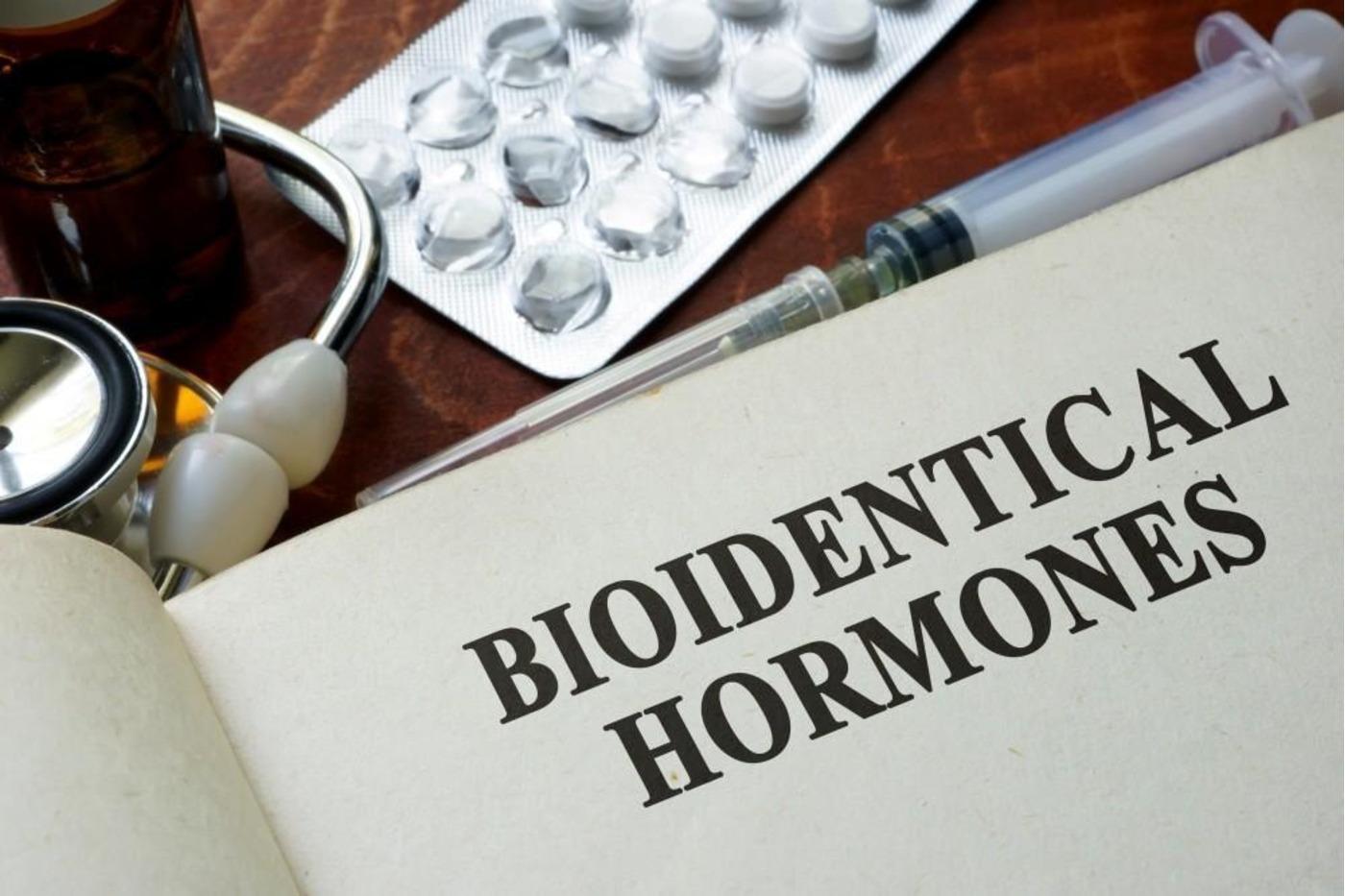
Pellet hormone therapy is a form of hormone treatment in which small pellets containing hormones are placed under the skin, commonly in the hip area, where they gradually release hormones over time. The goal is to provide a steady hormone level rather than requiring a person to take medication every day or apply a treatment on a regular schedule. Pellets may contain hormones such as testosterone or, in some treatment settings, estrogen. Because hormone needs can vary significantly from one person to another, treatment decisions should be based on symptoms, medical history, age, existing health conditions, and an appropriate evaluation by a qualified healthcare professional. Hormone therapy can help manage certain menopause symptoms, but not every form of hormone delivery has the same evidence, safety profile, or regulatory status. The American College of Obstetricians and Gynecologists notes that there are safety concerns with compounded pellet therapy and recommends FDA-approved hormone therapy when appropriate.
How Does Pellet Hormone Therapy Work?
Unlike oral medications, creams, gels, patches, or other hormone delivery methods that can be adjusted or stopped relatively quickly, pellets are inserted beneath the skin and release hormones gradually. Once inserted, the amount delivered cannot be easily changed or removed in the same way as a topical or oral treatment. This is one of the important factors a patient should understand before considering this approach. Hormone treatment should not be selected simply because it is described as convenient or long lasting. The appropriate method depends on the individual patient's needs and the specific hormone being considered. A careful discussion with a healthcare provider can help determine whether an FDA-approved option with a more adjustable dose may be more appropriate.
Why Do Some Women Consider Hormone Therapy During Menopause?
Menopause involves major hormonal changes that can affect several areas of daily life. During perimenopause, estrogen and progesterone levels can fluctuate, which may contribute to hot flashes, night sweats, sleep problems, mood changes, vaginal dryness, and changes in menstrual patterns. After menopause, estrogen levels remain lower, and some symptoms may continue for years. Hormone therapy is one medical option that can help relieve certain symptoms. According to the American College of Obstetricians and Gynecologists, systemic hormone therapy is considered the most effective treatment for hot flashes and night sweats, while systemic and local estrogen treatments can help with vaginal dryness.
This does not mean every woman needs hormone treatment. Some women have mild symptoms that can be managed without medication, while others experience symptoms that significantly affect sleep, work, relationships, sexual comfort, or overall quality of life. A personalized approach is therefore more appropriate than assuming one treatment is suitable for everyone. Align Health and Menopause focuses on helping patients understand their options so that treatment decisions can be made with appropriate medical guidance.
Is Pellet Hormone Therapy the Same as Standard HRT?
Pellet treatment should not automatically be considered interchangeable with standard hormone replacement therapy. Hormone replacement therapy can be delivered through several routes, including FDA-approved tablets, patches, gels, sprays, vaginal products, and other formulations. These options differ in how hormones enter the body, how doses can be adjusted, and what risks may be associated with the route of administration.
The distinction is especially important when discussing compounded hormone products. ACOG states that there is not enough high-quality evidence to establish the safety and effectiveness of custom-compounded bioidentical menopausal hormone therapy and recommends against routinely using compounded products when FDA-approved formulations are available. ACOG also specifically recommends preparations other than pellet therapy when considering compounded testosterone for menopausal symptoms because pellets cannot be removed once implanted and safety data are limited.
What Are the Potential Benefits of Hormone Treatment?
The potential benefits of hormone treatment depend on the type of hormone, the reason for treatment, and the patient's individual health profile. For appropriate candidates, menopausal hormone therapy may reduce hot flashes and night sweats and improve vaginal dryness. Estrogen therapy can also help slow bone loss that occurs during menopause. These benefits are among the reasons hormone treatment remains an important option for selected patients.
Some patients also seek treatment because menopause symptoms interfere with sleep, energy, concentration, sexual comfort, or emotional well-being. However, hormone treatment should not be viewed as a general anti-aging treatment or as a guaranteed solution for every symptom associated with midlife. The objective should be to address clinically appropriate symptoms while using the lowest effective treatment approach for an individual's circumstances.
What Are the Risks of Pellet Hormone Therapy?
The risks of hormone treatment vary according to the hormone used, dose, route, duration, age, health history, and other individual factors. Pellet treatment has an additional concern because the dose cannot be easily adjusted once the pellet has been implanted. If a person develops an unwanted reaction or receives a dose that is not appropriate, the clinician cannot simply remove a dissolved hormone dose in the same way a medication can be stopped.
Hormone therapy itself can have potential risks. Depending on the treatment, these may include blood clots, stroke, gallbladder disease, and certain cancer-related risks. For women who have a uterus, estrogen without adequate progestogen can stimulate the uterine lining and increase the risk of endometrial cancer. The FDA also emphasizes that hormone therapy should be individualized and that FDA-approved products have been evaluated for safety and effectiveness.
In 2026, the FDA approved labeling changes for several menopausal hormone therapy products, removing certain cardiovascular, breast cancer, and probable dementia statements from the boxed warnings. This update reflects changes in how the evidence is communicated, but it does not mean hormone therapy is risk free or appropriate for everyone. Treatment decisions still need to consider personal risk factors and the specific product being used.
What Is Hormonal Testing For Women Used For?
Hormonal testing for women may be considered when symptoms, menstrual changes, reproductive concerns, or other clinical findings require additional evaluation. However, hormone levels naturally fluctuate during perimenopause, which means a single laboratory result does not always provide a complete picture of what a woman is experiencing. A healthcare professional may consider symptoms, menstrual history, age, medications, medical history, and other laboratory findings when deciding whether testing is appropriate.
This is particularly important for women asking, “Why Is My Menstrual Cycle Getting Longer?” Longer or irregular cycles can occur during perimenopause as ovarian hormone production becomes less predictable. However, changes in bleeding patterns should not automatically be attributed to menopause. A healthcare professional may need to evaluate unusual, heavy, prolonged, or unexpected bleeding to determine whether another condition is contributing to the change.
Does Menopause Cause Weight Gain?
Menopause can be associated with changes in body composition and weight, but the relationship is more complex than simply saying that declining estrogen directly causes weight gain. Aging, changes in muscle mass, physical activity, sleep, dietary patterns, metabolic changes, and hormonal shifts can all influence body weight during midlife. Many women notice that fat distribution changes during and after menopause, with more weight tending to accumulate around the abdomen.
For women struggling with weight changes, hormone treatment should not be considered a substitute for evidence-based weight management. Hormone Replacement Therapy Weight Loss is sometimes discussed online, but hormone therapy is not primarily a weight-loss treatment. A comprehensive approach may include nutrition, physical activity, sleep, behavioral strategies, and, when medically appropriate, a Medical Weight Management Program. Weight concerns should be evaluated independently rather than assuming that changing hormone levels is the only cause.
Can Hormone Therapy Help With Vaginal Symptoms?
Menopause can cause vaginal dryness, irritation, discomfort during sexual activity, and other genitourinary symptoms because estrogen levels decline. Treatment depends on the severity of symptoms and the individual's health history. Local vaginal estrogen and certain other therapies may be considered when symptoms are primarily vaginal or urinary. ACOG recognizes both systemic and local estrogen therapy as options that can relieve vaginal dryness.
A Vaginal Rejuvenation Treatment may also be discussed in some healthcare settings, but the term can describe different procedures and technologies. Patients should ask what specific treatment is being proposed, what evidence supports it, what risks are involved, and whether it is appropriate for their symptoms. Vaginal discomfort should not automatically be treated as a cosmetic concern because menopause-related vaginal symptoms can have a genuine effect on comfort and quality of life.
Can a Woman Get Pregnant After Menopause?
A woman who has reached confirmed menopause naturally can no longer become pregnant because ovulation has permanently stopped. However, pregnancy can still occur during perimenopause because ovulation may continue even when periods become irregular or are skipped. Menopause is generally confirmed after 12 consecutive months without a menstrual period when there is no other explanation for the absence of bleeding.
This distinction matters when discussing hormone treatment. Hormone therapy is not a contraceptive, and women who are still potentially fertile may need appropriate contraception. ACOG also states that hormone therapy is not intended for pregnant women and should be stopped if pregnancy occurs or is suspected.
Is Hormone Therapy For Men Different?
Hormone therapy for men is different from menopause treatment in both purpose and clinical considerations. Hormone Therapy For Men may be considered for men with confirmed testosterone deficiency when symptoms and laboratory findings support the diagnosis. Testosterone treatment should not be started solely because of normal aging or a desire to improve general wellness.
Men considering testosterone therapy should receive an appropriate medical assessment, which may include evaluation of symptoms, medical history, medications, and laboratory testing. The goal is to determine whether a genuine hormone deficiency exists and whether treatment is appropriate. The type of hormone, dosage, route, monitoring requirements, and potential risks should all be discussed with a qualified healthcare professional.
How Can Patients Choose the Right Hormone Treatment?
Choosing a hormone treatment should begin with a detailed discussion rather than a specific delivery method. Patients may want to ask why hormone treatment is being recommended, which symptoms it is intended to address, whether an FDA-approved option is available, how the dose will be monitored, what side effects may occur, and what alternatives exist. These questions are especially important when considering a treatment that cannot be easily adjusted after administration.
For patients researching Hormone Therapy Chesterfield MO, the focus should be on finding care that considers the whole person rather than simply selecting a particular hormone product. A qualified provider can review symptoms, medical history, reproductive status, current medications, risk factors, and treatment goals before recommending an appropriate option.
What Should Patients Know Before Starting Treatment?
Before starting any form of hormone treatment, patients should understand both the expected benefits and the potential limitations. Medical history is particularly important for people with previous hormone-sensitive cancers, blood clots, stroke, heart attack, liver disease, or other conditions that may affect treatment suitability. ACOG notes that systemic hormone therapy is generally not recommended for people with several of these conditions.
Patients should also understand that symptoms such as fatigue, weight changes, mood changes, sleep difficulties, and brain fog can have multiple causes. Treating hormones without identifying other possible contributors may not resolve the underlying problem. A thorough evaluation can help distinguish menopause-related symptoms from conditions that require different care.
Is Pellet Hormone Therapy Right for Everyone?
Pellet hormone therapy is not appropriate for everyone, and the decision should not be based only on convenience or claims of maintaining a steady hormone level. The inability to adjust or remove a pellet after insertion is an important consideration, particularly when compared with treatment options that allow the dose to be changed or discontinued more easily. ACOG has highlighted safety concerns surrounding compounded pellets and recommends FDA-approved hormone therapy when appropriate.
For women experiencing menopause symptoms, there are several evidence-based treatment options that can be considered. Align Health and Menopause can help patients understand the broader landscape of menopause care, including hormone evaluation, menopause management, weight concerns, and treatment options for symptoms that may affect daily life. The most suitable approach should be based on an individualized medical assessment rather than a one-size-fits-all treatment plan.
What Is the Best Approach to Menopause Care?
The best approach to menopause care is one that recognizes that every woman's symptoms, health history, hormone status, and treatment preferences can be different. Hormone therapy can be valuable for appropriately selected patients, but the delivery method matters. Understanding the differences between FDA-approved treatments, compounded products, topical therapies, oral medications, and implanted pellets can help patients make more informed decisions.
Women considering treatment should discuss their symptoms and concerns with a qualified healthcare professional and ask about both hormonal and nonhormonal options. Whether the primary concern is hot flashes, sleep disruption, vaginal symptoms, changing menstrual cycles, or midlife weight changes, effective care begins with an accurate assessment. By taking an individualized approach, patients can better understand which options may support their health and quality of life throughout menopause and beyond.

 English
 Arabic
 Spanish
 Portuguese
 Deutsch
 Turkish
 Dutch
 Italiano
 Russian
 Romaian
 Portuguese (Brazil)
 Greek
