


How to Maintain Your Newly Painted Cabinets After a Color Change
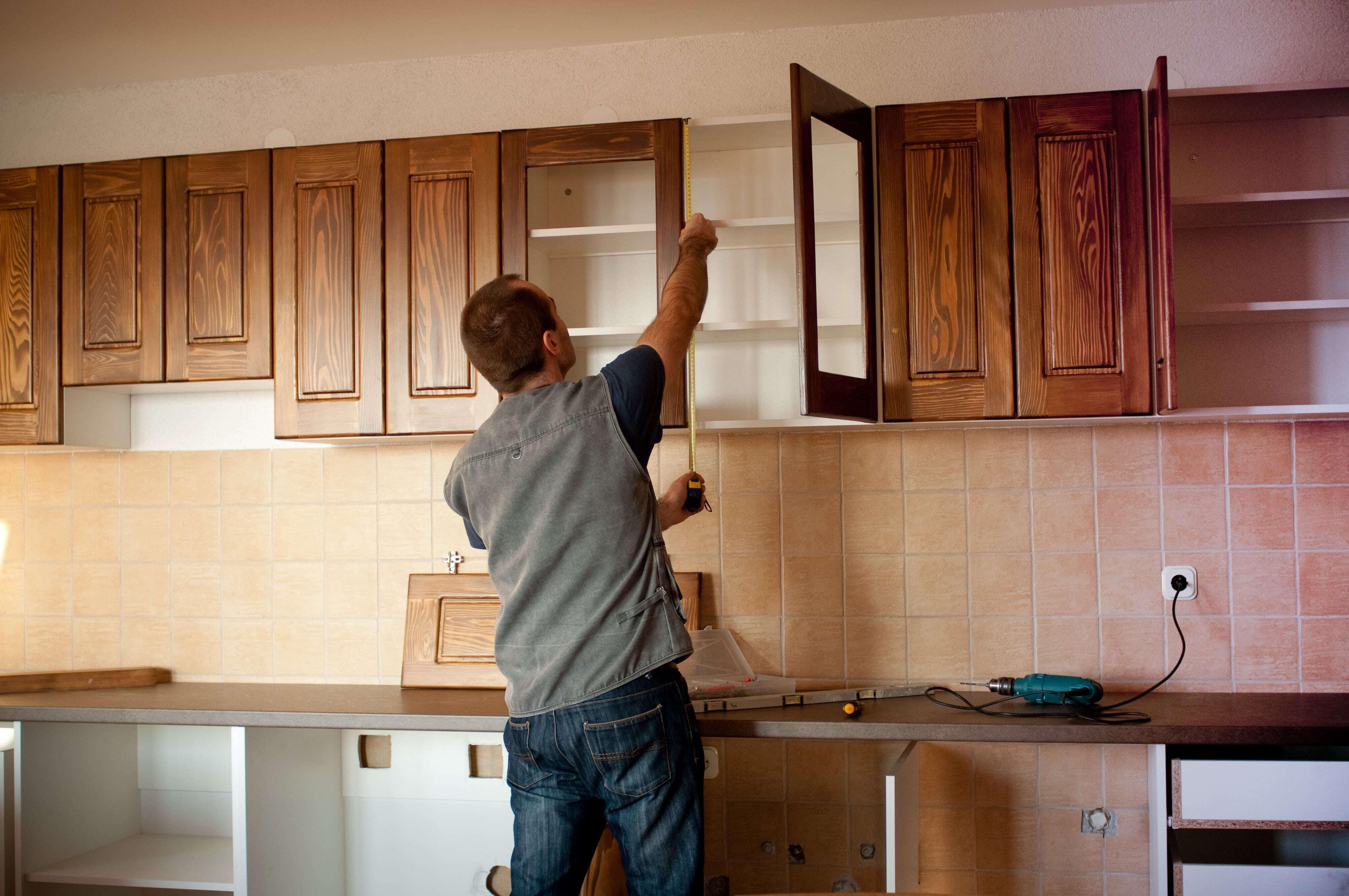
You have invested in a professional cabinet color change. Your kitchen looks fresh and beautiful. Now you want that beautiful look to last as long as possible. Proper maintenance makes the difference between cabinets that look good for five years and cabinets that look good for ten years or more. Simple daily and weekly habits protect your investment and keep your Kansas City kitchen looking its best.
Gentle Cleaning is Key
Harsh cleaning methods damage painted cabinet surfaces. Abrasive scrubbers scratch the finish. Strong chemicals break down the protective coating over time. The best approach is gentle cleaning with soft cloths and mild soap.
Professional color change painters in Kansas City, MO recommend using a soft microfiber cloth for regular cleaning. Mix a few drops of mild dish soap with warm water. Wipe the cabinet surfaces gently. Dry immediately with a clean, soft cloth. This simple routine removes everyday dirt without damaging the finish. As one homeowner noted, quality enamel paint with proper prep can last five to ten years .
Avoid Harsh Chemicals
Many household cleaners are too harsh for painted cabinets. Bleach-based cleaners break down the finish. Ammonia-based products can dull the surface. Citrus-based degreasers may soften the finish over time. Abrasive powders scratch the surface permanently.
Stick to mild dish soap and water for regular cleaning. For stubborn spots, try a mixture of vinegar and water. Test any new cleaner on an inconspicuous area first. When in doubt, use the mildest cleaner possible.
Wipe Up Spills Immediately
Kitchen cabinets face constant exposure to spills and splashes. Grease splatters from cooking. Coffee and tea stains. Sauce splashes. Water spots. Each spill can damage the finish if left to sit.
Wipe up spills as soon as they happen. Use a soft, damp cloth. Dry the area thoroughly. Prompt attention prevents stains from setting and keeps your cabinets looking fresh. The few seconds it takes to wipe a spill saves hours of trying to clean it later.
Pay Attention to Problem Areas
Certain areas of your cabinets need extra attention. The cabinets around the stove collect grease splatters. The sink area gets splashed with water. Handles and knobs show fingerprints. The lower cabinets near the floor get scuffed.
Clean these high traffic areas more frequently. Wipe around the stove after cooking. Dry the sink area after washing dishes. Clean handles and knobs weekly. A little extra attention in problem areas keeps the whole kitchen looking great.
Handle Doors and Drawers Gently
Cabinet doors and drawers get opened and closed many times each day. Slamming doors stresses the hinges and can chip the finish. Pulling drawers roughly can damage the slides and the finish.
Teach family members to close doors gently. Pull drawers straight out rather than at an angle. Treat your cabinets with care. The small effort of gentle handling prevents chips, scratches, and mechanical problems.
Touch Up Small Damage Quickly
Despite your best efforts, small damage may occur. A pot bangs against a cabinet door. A child's toy scratches the finish. A drawer edge gets chipped. Address this damage quickly before it worsens.
Ask your color change painters to leave touch up materials for your cabinets. Store them in a climate controlled space with the lid sealed tightly. Label them clearly with the color name and date. Small scratches and chips can be touched up in minutes rather than requiring professional repair.
Control Humidity in Your Kitchen
High humidity can affect painted cabinets over time. Excess moisture may cause the wood to expand and contract. This movement can lead to peeling or cracking of the finish. Bathrooms near kitchens add extra humidity.
Use exhaust fans when cooking to remove steam. Fix any leaks promptly. Ensure your kitchen has adequate ventilation. Controlling humidity protects both your cabinets and your family's comfort. In Kansas City's varying climate, this is especially important.
Protect Cabinets from Direct Sunlight
Direct sunlight fades finishes over time. Ultraviolet rays break down the pigments that give your cabinets their color. South and west facing kitchens get the most sun exposure. The fading happens gradually, making it hard to notice day by day.
Close blinds or curtains during the brightest parts of the day. Consider UV filtering window film. Arrange your kitchen so frequently used items are not in direct sun. A little protection prevents uneven fading.
Schedule Annual Inspections
Once a year, inspect your cabinets carefully. Look for any signs of wear or damage. Check corners and edges where finish may wear first. Examine areas around handles and knobs. Note any issues you find.
Address small problems immediately before they become large ones. A tiny chip can be touched up easily. A crack in the finish may need professional attention. Annual inspections catch problems early when they are easiest to fix.
When to Call the Professionals
Some maintenance tasks belong to homeowners. Gentle cleaning, wiping spills, and minor touch ups are easy for anyone to do. Other tasks require professional skills. Large areas of damage need proper repair. Peeling or bubbling finish indicates problems that cleaning cannot solve.
Professional color change painters can assess when maintenance has become insufficient and refinishing is needed. They can perform touch ups that blend invisibly with existing finish. Knowing your limits prevents amateur repairs that look worse than the original damage.
Professional color change painters in Kansas City, MO provide quality materials and application. Your maintenance habits determine how long that quality lasts. The partnership between professional work and owner maintenance delivers the best possible value from your cabinet color change investment.

 English
 Arabic
 French
 Spanish
 Portuguese
 Deutsch
 Turkish
 Dutch
Dutch
 Russian
 Romaian
 Portuguese (Brazil)
 Greek
Greek
